

GIVING CUSTOMER ACCURATE REGIONAL TV LISTING
The TV listings feature receives the most weekly active engagement and is key to subscriber retention. When I designed the MVP, we knew we'd have to iterate fast and develop other important features that support viewing preferences.


Problem
Voice of the customer
After launching the TV listings feature in the Radio Times app, users were highlighting friction due to the lack of regional listings.
All customers are seeing the same TV Listings channels and information, when they expect to see regional-specific to where they are in the UK or Ireland.
What the survey told us
Users who engage with TV Listings in other platforms, 48% have set their region before, supporting the need for this feature and a feature adoption goal to aim for.

Key insights
The research surfaced that the majority of customers expect to set their region automatically through automatic location detection, and raise the need for manual method for border cases, when travelling, and privacy-conscious users — a user need I wasn't expecting.
01
Of those who set their region, 54% did to get correct listings and 26% for travel use cases
02
Automatic location region setting is the preferred method and is expected
03
Users near regional borders frequently receive stronger signals from a neighbouring region and actively override their location — a real edge case requiring a manual fallback.
04
A meaningful subset of users prefer not to share location data, making a manual selection path essential — not optional.
Solution
In three-parts
01
Geo-tracking, to make region-setting effortless and fast, we implemented geo-tracking using native Location Services functionality.
02
Manual region selection for border cases, privacy-conscious users, and travellers who want a fixed override
03
Modal prompt on users' first session to ensure full adoption of the feature.


Geo-location


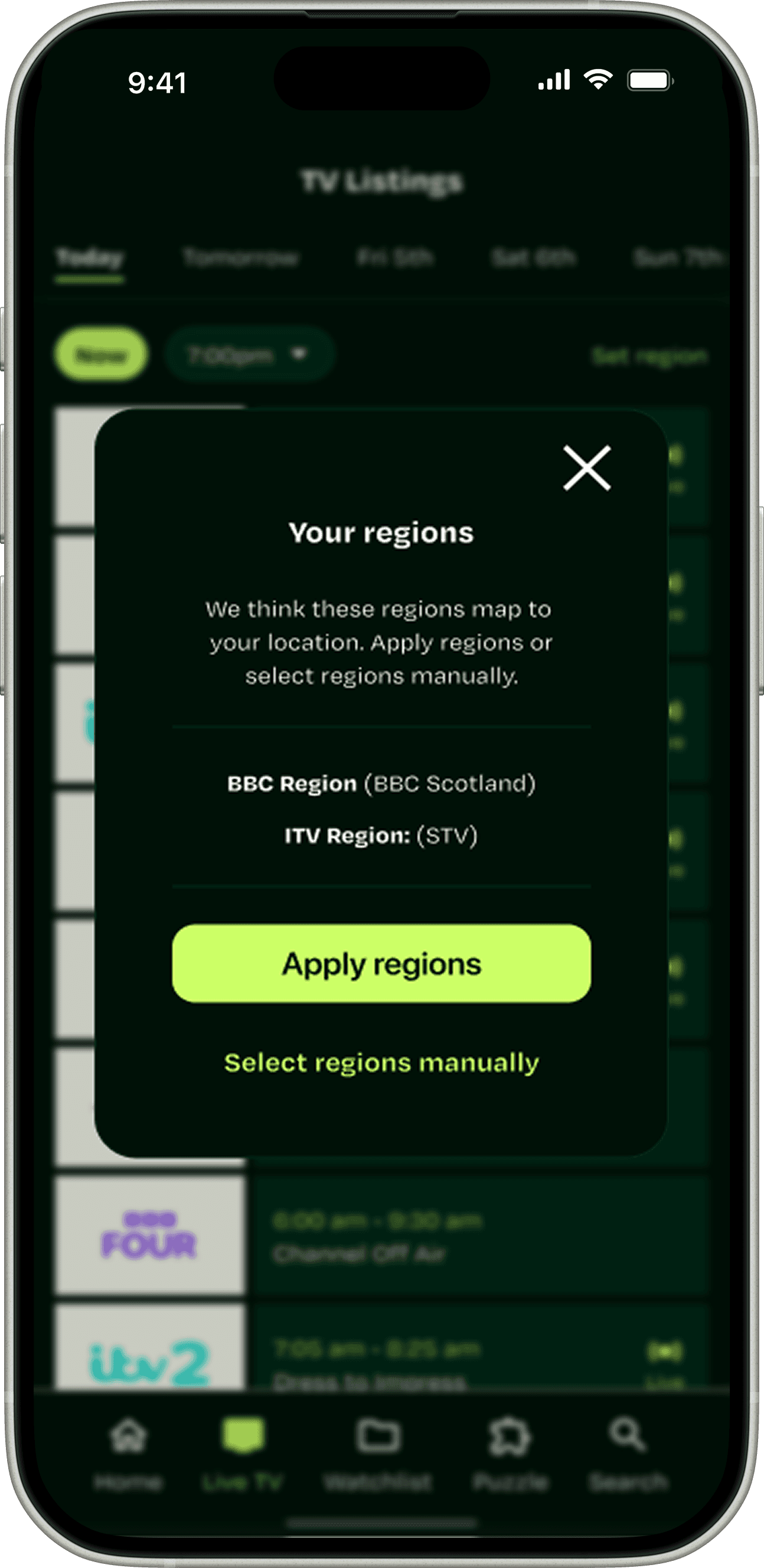
Setting manually


Impact
We’ve seen strong feature adoption, and an expected preference towards location detection method
42%
of customers who have engaged with search have now set their region
85%
chose automatic location detection
29%
used manual selection
Note: the 85%/29% split sums above 100%, suggesting a subset of users tried both methods — consistent with border-region behaviour identified in research.
